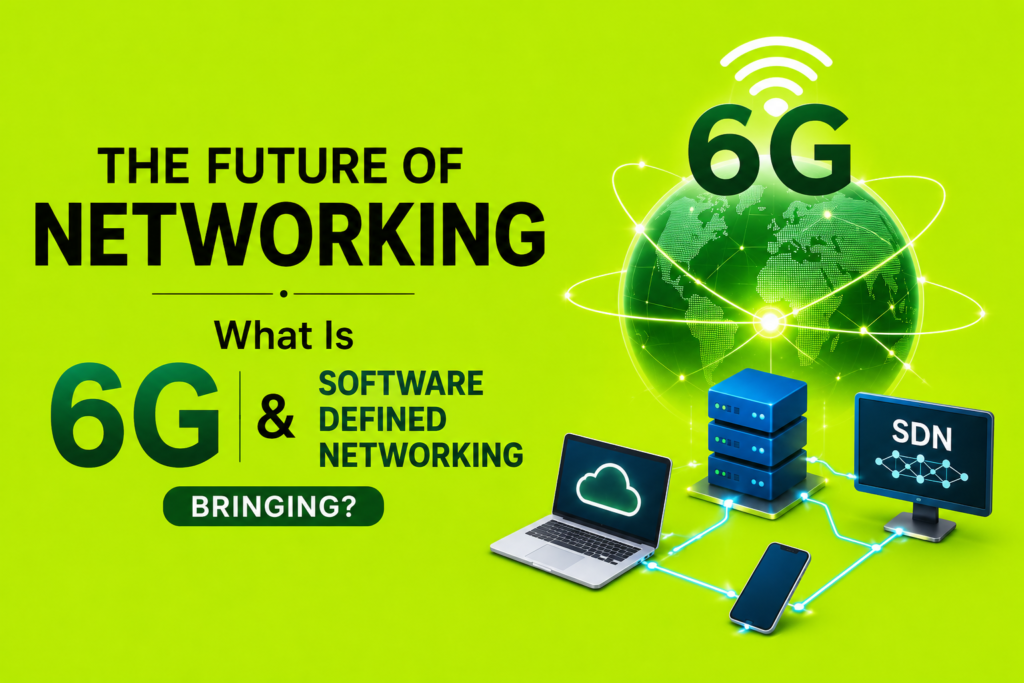
Technology never stands still, and understanding the future of networking helps prepare individuals and businesses for the rapid changes coming within the next decade. From revolutionary 6G network technology to increasingly intelligent software defined systems, the future of networking promises faster speeds, smarter automation and dramatically improved connectivity across the globe.
As demand for instant, reliable communication continues growing, understanding the future of networking becomes essential for anyone interested in emerging technology trends. This article explores the innovations shaping tomorrow’s connectivity, from next generation wireless standards to intelligent, software controlled network infrastructure.
Why the Future of Networking Matters Today
Understanding the future of networking requires recognizing why current systems, despite significant advancements, still face limitations. Existing networks struggle with increasing demands from Internet of Things devices, artificial intelligence applications and streaming services requiring ever increasing bandwidth and reduced latency.
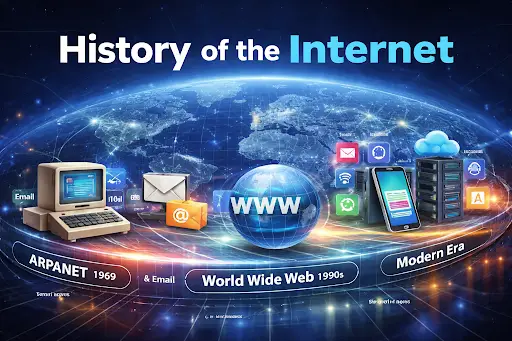
These growing demands are driving innovation across multiple fronts, ensuring the future of networking addresses current limitations while preparing for technologies that do not yet fully exist. This ongoing evolution builds upon decades of history of computer networks development, continuously pushing boundaries further.
What Is 6G Network Technology
At the forefront of the future of networking sits 6G network technology, the anticipated successor to current 5G networks. While still in development, 6G promises dramatically faster speeds, potentially reaching sub-millisecond latency and utilizing terahertz frequencies far beyond what current wireless technology can achieve.
Many people wonder when is 6G coming out, with most industry experts predicting commercial availability sometime near the end of this decade. Understanding 6G vs 5G networks reveals that 6G aims to support entirely new applications, including advanced augmented reality and fully autonomous systems requiring near instantaneous communication.
Terrestrial and Non-Terrestrial Networks
A significant aspect of the future of networking involves combining terrestrial and non-terrestrial networks to achieve truly global coverage. Traditional terrestrial networks rely on ground based towers and infrastructure, while non-terrestrial networks incorporate satellite internet technology to reach remote or underserved areas previously lacking reliable connectivity.
This combination promises to eliminate connectivity gaps that currently affect rural communities and developing regions, ensuring the future of networking extends reliable, high speed access to virtually every corner of the planet regardless of geographic challenges.
Understanding Software Defined Networking
Beyond wireless improvements, software defined networking represents another major pillar shaping the future of networking. Traditional networks rely heavily on physical hardware configurations, requiring manual adjustments whenever changes become necessary. Software defined networking, however, separates network control from physical hardware, allowing administrators to manage traffic through centralized software instead.
This approach relies on an SDN controller, which communicates with network devices using protocols like OpenFlow protocol, enabling administrators to adjust network behavior dynamically without physically reconfiguring equipment throughout an organization’s internet infrastructure.
Benefits of Software Defined Networking
Understanding benefits of software defined networking helps clarify why so many organizations are adopting this approach within the future of networking landscape. SDN architecture allows for significantly faster network configuration changes, improved resource allocation and enhanced ability to respond quickly to changing demands or security threats.
This flexibility particularly benefits large organizations managing complex, multi location networks, since administrators can implement changes across their entire cloud networking infrastructure from a centralized location rather than manually adjusting individual physical devices at each site.
AI Integration Within Modern Networks
Artificial intelligence integration represents another transformative element within the future of networking. AI in computer networking increasingly handles tasks like predicting network congestion, automatically adjusting bandwidth allocation and identifying potential security threats before they cause significant damage.
This intelligent automation reduces the need for constant manual monitoring, allowing networks to self optimize based on real time conditions. As artificial intelligence continues advancing, the future of networking will likely rely even more heavily on automated decision making processes throughout network management systems.
Network Virtualization Technology Explained
Network virtualization technology allows physical network resources to be divided into multiple virtual networks, each operating independently despite sharing the same underlying physical infrastructure. This approach maximizes efficiency, allowing organizations to allocate resources dynamically based on changing needs.
Understanding network virtualization helps clarify how smart network infrastructure continues evolving beyond traditional, rigid hardware based systems. This flexibility represents a fundamental shift in how the future of networking approaches resource management and overall system design.
Network Slicing for Specialized Applications
Closely related to virtualization, network slicing allows providers to create multiple virtual networks within a single physical infrastructure, each optimized for specific applications or user requirements. This technology proves particularly valuable within 6G network technology deployments, where different applications require vastly different performance characteristics.
For example, network slicing could dedicate one virtual segment for ultra low latency applications like autonomous vehicles, while another segment handles high bandwidth explained requirements for streaming services, all operating simultaneously across the same physical network infrastructure.
Open RAN and Emerging Standards
Open RAN and SDN technologies increasingly work together within next generation computer networks, promoting interoperability between different equipment manufacturers. This open approach reduces dependency on single vendors, encouraging competition and potentially lowering costs for network operators implementing new infrastructure.
This shift toward open, standardized systems represents an important trend within the future of networking, moving away from proprietary, closed systems toward more flexible, collaborative approaches that benefit both providers and end users through improved compatibility.
Edge Computing Nodes and Reduced Latency
As applications demand increasingly faster response times, edge computing nodes play a growing role within the future of networking. Rather than routing all data through distant centralized data centers, edge computing processes information closer to end users, significantly reducing network latency for time sensitive applications.
This approach becomes particularly important as Internet of Things devices continue proliferating, requiring near instantaneous processing for applications like autonomous vehicles, industrial automation and smart city infrastructure that simply cannot tolerate delays associated with traditional centralized processing.
Preparing for Next Generation Computer Networks
As organizations look toward next generation computer networks, preparing existing internet infrastructure for these upcoming changes becomes increasingly important. This preparation often involves gradually adopting software defined networking principles, exploring artificial intelligence integration and staying informed about emerging standards like 6G transition timelines.
Businesses that proactively adapt to these changes will likely find themselves better positioned to leverage improved speeds, reduced latency and enhanced automation capabilities as the future of networking continues rapidly evolving over the coming years.
Frequently Asked Questions (FAQs)
What is 6G and when will it be available?
6G is the next generation wireless standard, expected to offer significantly faster speeds and lower latency compared to 5G, with commercial availability anticipated later this decade.
How does software defined networking differ from traditional networking?
Software defined networking separates network control from physical hardware, allowing centralized software management, while traditional networking requires manual configuration of individual physical devices.
Will artificial intelligence replace network administrators entirely?
While AI increasingly automates routine network management tasks, human administrators remain essential for strategic decisions, complex troubleshooting and overseeing overall network security and architecture.
How will the future of networking affect everyday internet users?
Everyday users will likely experience significantly faster speeds, reduced latency and more reliable connectivity, particularly benefiting activities like streaming, gaming and using connected smart devices.
Conclusion
Exploring the future of networking reveals an exciting trajectory toward faster, smarter and more flexible connectivity. From revolutionary 6G network technology to intelligent software defined systems and AI integration, these innovations promise to transform how the world connects.
As these technologies continue developing, understanding the future of networking remains valuable for anyone hoping to stay ahead of emerging trends shaping tomorrow’s increasingly sophisticated internet infrastructure.